


| Category | Transcatheter Valve Replacements |
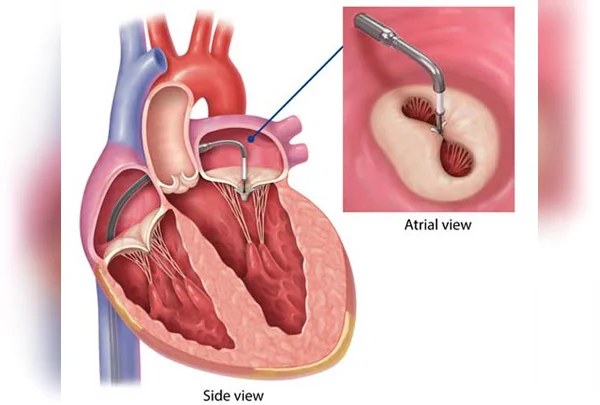
MitraClip is a minimally invasive, catheter-based procedure used to treat mitral valve regurgitation, a condition where the mitral valve does not close properly and allows blood to leak backward into the heart. This leakage forces the heart to work harder, leading to symptoms such as breathlessness, fatigue, and swelling of the legs. MitraClip offers an effective treatment option for patients who are not suitable candidates for open-heart surgery.
The procedure involves placing a small clip on the mitral valve to help it close more effectively, reducing the backward flow of blood. MitraClip has been shown to significantly improve symptoms, reduce hospitalizations due to heart failure, and enhance overall quality of life.
Degeneration of the mitral valve
Heart muscle weakness or enlargement
Previous heart attack
Rheumatic heart disease
Structural abnormalities of the valve
MitraClip is performed under general anesthesia in a specialized catheterization lab. A catheter is inserted through a vein in the groin and guided to the heart. Using advanced imaging, the clip is positioned on the mitral valve to reduce leakage. The procedure usually takes 2–3 hours. Patients are monitored closely afterward and typically discharged within a few days.
Q1. Is MitraClip permanent?
Yes, the clip is designed to remain permanently.
Q2. Does MitraClip cure mitral regurgitation completely?
It significantly reduces leakage but may not eliminate it entirely.
Q3. How soon will symptoms improve?
Many patients notice improvement within weeks.
Q4. Is open-heart surgery required later?
Most patients do not need further surgery.


