


| Category | Intracardiac Devices Implantation |
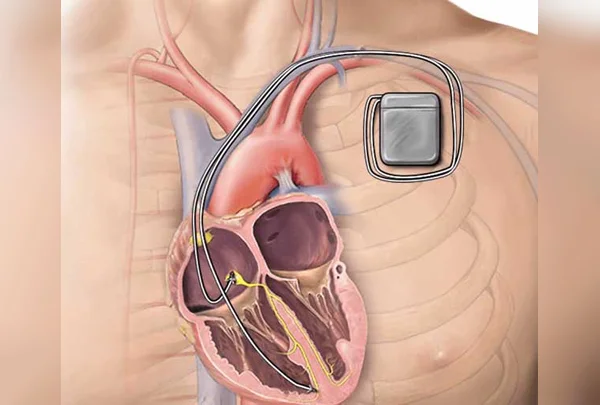
An Implantable Cardioverter Defibrillator (ICD) is a life-saving device designed to detect and treat dangerous heart rhythms that can lead to sudden cardiac arrest. Unlike a pacemaker that mainly treats slow heartbeats, an ICD continuously monitors the heart rhythm and delivers electrical therapy or shock when it detects life-threatening arrhythmias such as ventricular tachycardia or ventricular fibrillation.
ICDs are recommended for patients at high risk of sudden cardiac death, especially those with weakened heart muscles, previous cardiac arrest, or serious rhythm disorders. The device acts as a constant guardian, protecting the patient even when symptoms occur unexpectedly.
History of sudden cardiac arrest
Severe ventricular arrhythmias
Weak heart pumping function
Cardiomyopathy
High risk of sudden cardiac death
ICD implantation is similar to pacemaker implantation and is performed under local anesthesia with mild sedation. Leads are inserted through veins into the heart and connected to the ICD device placed under the skin. The procedure usually takes 1–2 hours. After implantation, the device is tested and programmed according to the patient’s condition. Hospital stay is generally short.
Q1. Does an ICD shock hurt?
The shock may be uncomfortable but is life-saving.
Q2. How often does an ICD deliver shocks?
Only when dangerous rhythms are detected.
Q3. Can ICD prevent heart attacks?
No, it prevents sudden cardiac death due to arrhythmias.
Q4. How long does an ICD battery last?
Typically 6–9 years.


