


| Category | Intracardiac Devices Implantation |
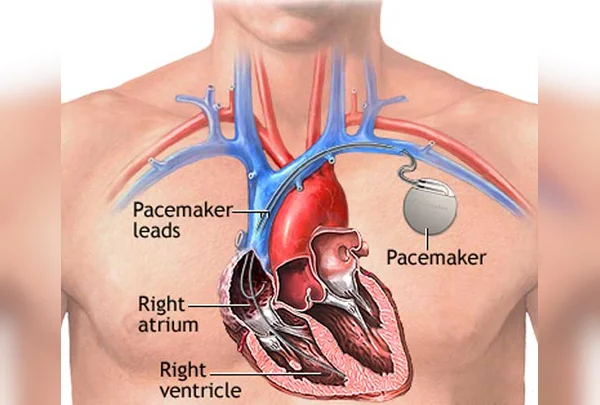
A pacemaker is a small electronic medical device implanted under the skin to help regulate abnormal heart rhythms. It sends gentle electrical impulses to the heart to maintain a normal and steady heartbeat when the heart beats too slowly, irregularly, or pauses unexpectedly. Pacemakers play a vital role in patients with bradycardia, heart block, or certain rhythm disorders where the heart’s natural electrical system fails to function properly.
Pacemakers significantly improve quality of life by reducing symptoms such as dizziness, fainting, fatigue, and shortness of breath. Modern pacemakers are highly advanced, programmable, and can adapt to a patient’s activity level, ensuring the heart beats faster during exercise and slower during rest.
Slow heart rate (Bradycardia)
Heart block or conduction disorders
Fainting or blackout episodes
Severe fatigue due to slow heartbeat
Certain rhythm disorders after heart surgery
Pacemaker implantation is a minimally invasive procedure performed under local anesthesia. A small incision is made below the collarbone, and leads are guided through veins into the heart chambers. These leads are connected to the pacemaker device, which is placed under the skin. The procedure usually takes 1–2 hours. Patients are monitored afterward and can typically return to normal activities within a few days, following medical advice.
Q1. Is pacemaker implantation a major surgery?
No, it is a minimally invasive and safe procedure.
Q2. How long does a pacemaker last?
The battery usually lasts 7–10 years.
Q3. Can I live a normal life with a pacemaker?
Yes, most patients return to a normal, active life.
Q4. Are mobile phones safe with pacemakers?
Yes, when used as per medical guidelines.


