


| Category | Non Invasive Cardiology |
An Electrocardiogram (ECG) is a simple, quick, and non-invasive test that records the electrical activity of the heart. It helps detect abnormalities in heart rhythm, heart rate, and electrical conduction. ECG is one of the most commonly performed cardiac tests and provides valuable information about heart health within minutes.
An ECG can reveal conditions such as arrhythmias, heart attacks (past or ongoing), heart enlargement, electrolyte imbalances, and effects of certain medications. It is often used as a first-line diagnostic tool in patients presenting with chest pain, palpitations, breathlessness, or dizziness.
Chest pain or discomfort
Palpitations or irregular heartbeat
Suspected heart attack
Shortness of breath
Routine heart check-up
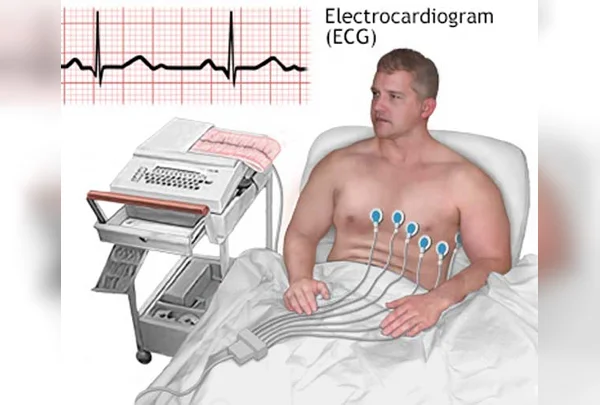
Electrodes are placed on the chest, arms, and legs to record heart signals. The patient is asked to lie still while the recording is taken. The test usually takes 5–10 minutes and does not involve any needles or radiation. Results are often available immediately.
Q1. Is ECG painful?
No, it is completely painless.
Q2. Does ECG require fasting?
No preparation is required.
Q3. Can ECG detect all heart problems?
It detects many, but not all, heart conditions.
Q4. How often should ECG be done?
As advised by the cardiologist based on symptoms.


