


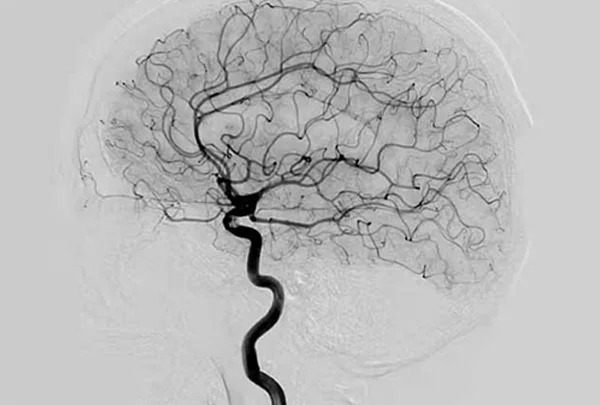
| Category | Angiography |
Chest pain or discomfort (Angina)
Suspected coronary artery blockage
History of heart attack
Abnormal ECG or stress test results
Shortness of breath without a clear cause
Angiography is usually performed under local anesthesia. A thin tube (catheter) is inserted through the wrist or groin and gently guided to the heart arteries. A special contrast dye is injected, and X-ray images are taken to visualize blood flow in the arteries. The entire procedure generally takes 20–30 minutes. Patients remain awake and can communicate with the doctor throughout the test. After the procedure, the catheter is removed, and the patient is observed for a few hours before discharge.
Q1. Is angiography painful?
No, it causes minimal discomfort and is generally painless.
Q2. How long does recovery take?
Most patients can resume normal activities within 24 hours.
Q3. Is angiography risky?
It is a very safe procedure when performed by an experienced cardiologist.
Q4. Do I need angioplasty after angiography?
Only if significant blockage is detected; not all patients require angioplasty.


